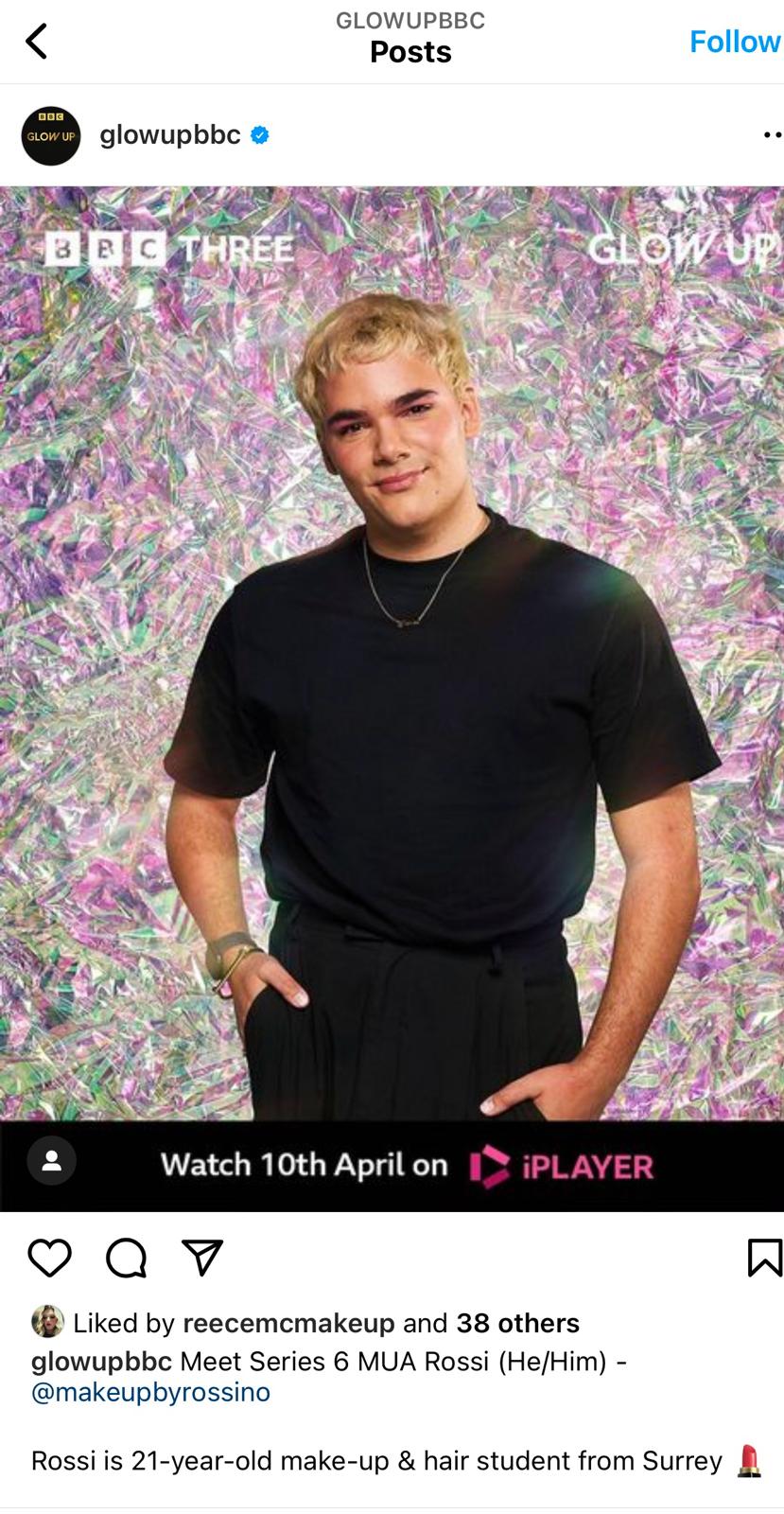
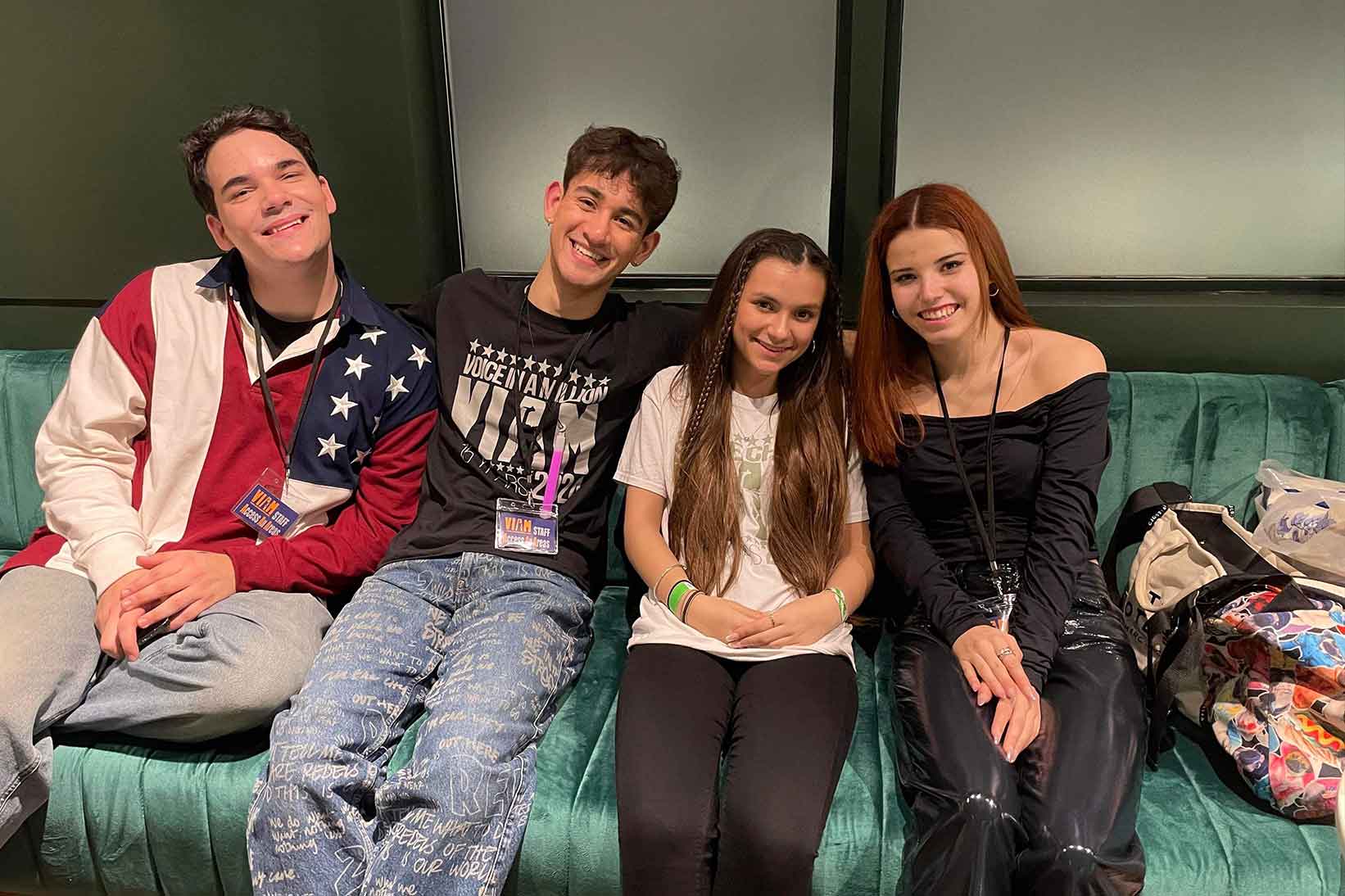
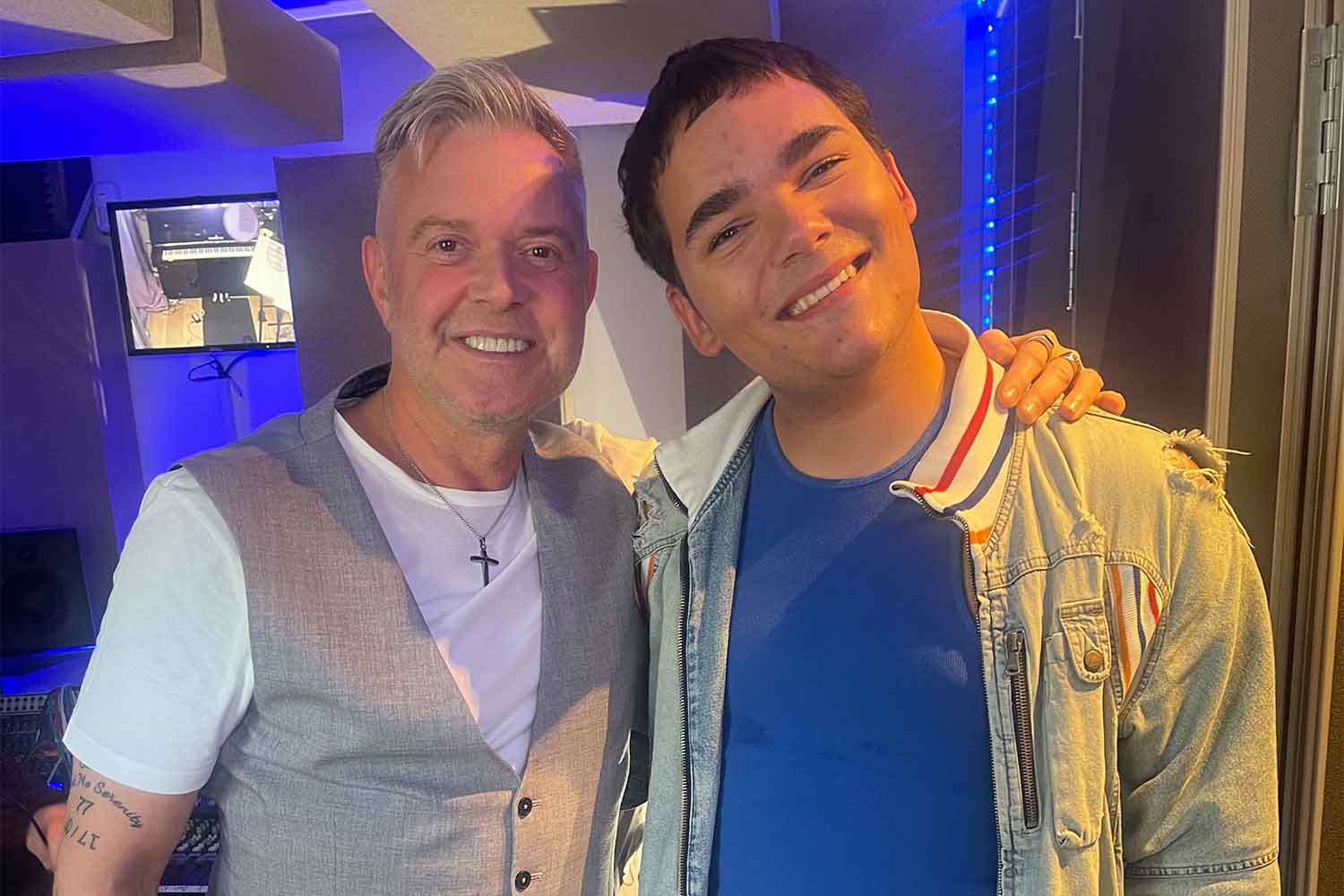
Rossi & Lici joined Darren Day to record "You Are My Song" written by James Hawkins
James Hawkins Music was commissioned to write and produce a song to raise awareness of Fetal Alcohol spectrum disorder. The song expresses how it can feel to live with FASD and how music can play a big role in helping people express their feelings when words fail. On lead vocals is musical theatre star Darren Day and singers from the Voice In A Million choir alongside featured vocals from our very own Rossi Griffin & Lici Garofalo
Available to download from all good music platforms
James Hawkins
James is an accomplished musician and music producer, working from his professional recording studio in Kingston upon Thames, London.
James has an eclectic portfolio that demonstrates his musical creativity, skill and versatility. His traditional training enables him to take on music projects ranging from large scale ensembles, though to bands and singer-songwriters.
James’ passion is to work on new songs and arrangements, particularly with singer-songwriters and bands in alternative pop and folk genres, though he is equally at home working with small orchestral ensembles and choirs.
Similarly, James has great experience working with brands and media companies, producing music for campaigns, working closely with ITV (Britain’s Got Talent, The Royal Variety Performance), BBC (Zoe Ball Breakfast Show Radio 2, BBC Music Day and BBC News), Channel 5 and ESPN (Disney)
While research on the specific relationship between FASD and music preferences is limited, there are a few reasons why individuals with FASD might enjoy music:
Sensory Stimulation: Many individuals with FASD may have sensory processing differences. Music can provide various sensory stimuli, including auditory, rhythmic, and sometimes even tactile sensations. This stimulation can be pleasurable and engaging for individuals with sensory sensitivities.
Emotional Expression: Music is a powerful medium for expressing and regulating emotions. Individuals with FASD may face challenges in understanding and expressing emotions, and music can serve as a tool for them to connect with and express their feelings in a nonverbal way.
Routine and Predictability: Individuals with FASD often benefit from routines and predictability. Music, especially familiar songs and rhythms, can provide a sense of structure and predictability, offering comfort and security.
Social Interaction: Music is often a social activity, whether through listening, singing, or playing instruments. For individuals with FASD, who may struggle with social skills, music can offer a shared experience and an opportunity for social interaction and connection with others.
Cognitive Engagement: Music involves various cognitive processes, such as memory, attention, and pattern recognition. Engaging with music can provide cognitive stimulation and may be enjoyable for individuals with FASD, even if they face challenges in other cognitive domains.
It’s important to note that individuals with FASD are unique, and their preferences and responses to music can vary. Additionally, research on this specific topic is still evolving, and more studies are needed to better understand the relationship between FASD and music enjoyment. Tailoring interventions and support to the individual’s needs and preferences is crucial for promoting their well-being.
Rehearsal Pics!